 Pin It
 I discovered General Tso's chicken at a small restaurant tucked between laundromats in my neighborhood, and the first bite—that perfect clash of crispy and tangy-sweet—made me determined to recreate it at home. It took three attempts before I stopped over-thinking the sauce and just let the balance of flavors speak for itself. Now when I make this, my kitchen fills with the kind of smell that brings people wandering in from other rooms. The sizzle of fried chicken hitting hot oil, the garlic perfuming everything—it's become one of those dishes I make when I want the evening to feel like something special.
I made this for my partner on a Tuesday when they'd had a rough day, expecting it to be a nice gesture but nothing earth-shattering. They went back for seconds before I'd even sat down, and somewhere between bites they started telling me about how the food made the day feel less heavy—one of those small kitchen moments that reminds you why cooking for someone matters.
Ingredients
- Boneless, skinless chicken thighs (600 g): Thighs stay juicier than breast meat when fried, and they're forgiving if you cook them a minute or two longer without drying out.
- Eggs (2 large): These create the sticky base for your coating to cling to, so don't skip them or substitute with water.
- Soy sauce (4 tbsp total): Use the regular kind, not low-sodium, or your sauce will taste flat and one-dimensional.
- Sesame oil (3 tsp total): This is the ingredient that makes people pause and ask what's different—it adds a subtle toasted depth.
- Cornstarch and flour (120 g and 60 g): The cornstarch is what gives you that crisp, the flour adds structure, so use both.
- Vegetable oil for frying: You'll need enough to submerge the chicken pieces, so plan for at least 2 cups depending on your pan size.
- Chicken broth (120 ml): Fresh or boxed both work, but avoid the super-salty varieties that will throw off your sauce balance.
- Rice vinegar (2 tbsp): This is the tangy backbone, and you can't substitute it with regular white vinegar without changing the whole character.
- Hoisin sauce (2 tbsp): The umami player that makes this taste restaurant-quality instead of home-kitchen basic.
- Sugar (3 tbsp): It seems like a lot, but it balances the acid and heat without making this a candy dish.
- Dried red chilies (6–8): Leave them whole if you want heat with texture, or use flakes if you prefer invisible spice.
- Garlic and ginger (3 cloves and 2 tsp): Fresh is non-negotiable here—jarred versions taste dusty by comparison.
- Spring onions (2): They brighten everything at the end, adding a fresh bite that cuts through the richness.
Tired of Takeout? 🥡
Get 10 meals you can make faster than delivery arrives. Seriously.
One email. No spam. Unsubscribe anytime.
Instructions
- Prepare the chicken marinade:
- Whisk eggs with soy sauce, sesame oil, and white pepper until combined, then toss in your chicken pieces until every piece glistens with coating. This step takes two minutes but makes a real difference in how tender the final chicken tastes.
- Coat and shake off excess:
- Mix your cornstarch and flour in a shallow bowl, then dredge each piece, shaking hard so the excess falls away—clumpy coating leads to greasy spots, so be generous with the shake.
- Heat oil to temperature:
- Use a thermometer if you have one; 180°C (350°F) is the sweet spot where the outside crisps before the inside overcooks. If you don't have a thermometer, drop a tiny cube of bread in—if it browns in about 60 seconds, you're ready.
- Fry in batches:
- Don't crowd the pan or the temperature drops and you'll end up with soggy chicken instead of crispy; four to five minutes per batch is right, and you want that deep golden color. Transfer each batch to a wire rack rather than paper towels if you can—it lets air circulate and keeps them crispier longer.
- Build your sauce:
- Whisk together broth, soy sauce, vinegar, hoisin, sugar, and sesame oil, then make a slurry by mixing cornstarch with water until smooth and stir it in. This slurry is what turns a loose liquid into that glossy, clinging sauce.
- Bloom the aromatics:
- Heat oil in your wok, add the chilies, garlic, and ginger, and let them sizzle for about a minute—you'll smell the exact moment they're perfect, which is before they start to brown. Don't walk away during this step because the difference between fragrant and burned is about thirty seconds.
- Thicken the sauce:
- Pour your sauce mixture in and stir constantly for two to three minutes until it shifts from loose to glossy and coats the back of a spoon. You'll see it visually transform, which is oddly satisfying to watch.
- Combine chicken and sauce:
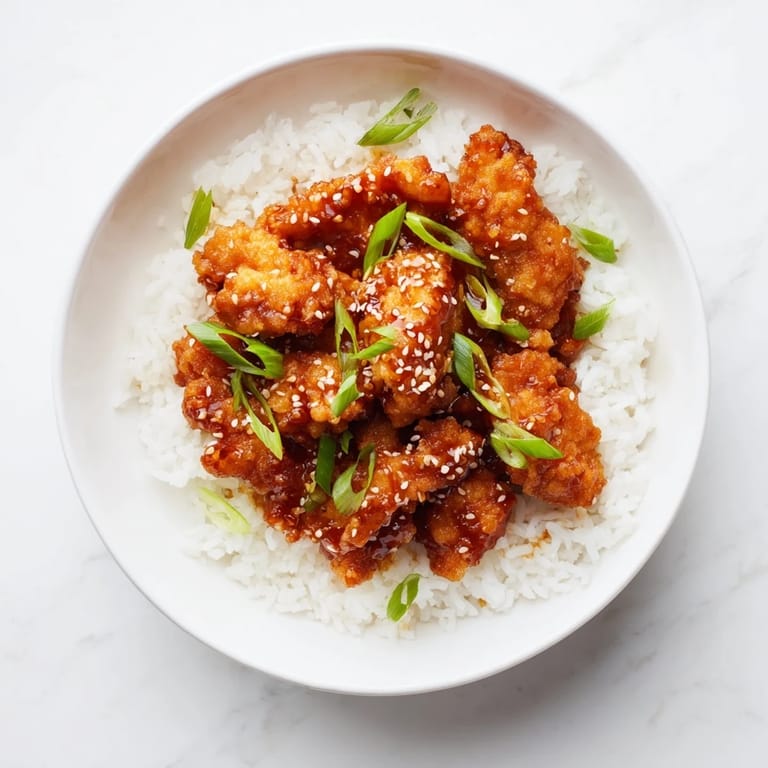
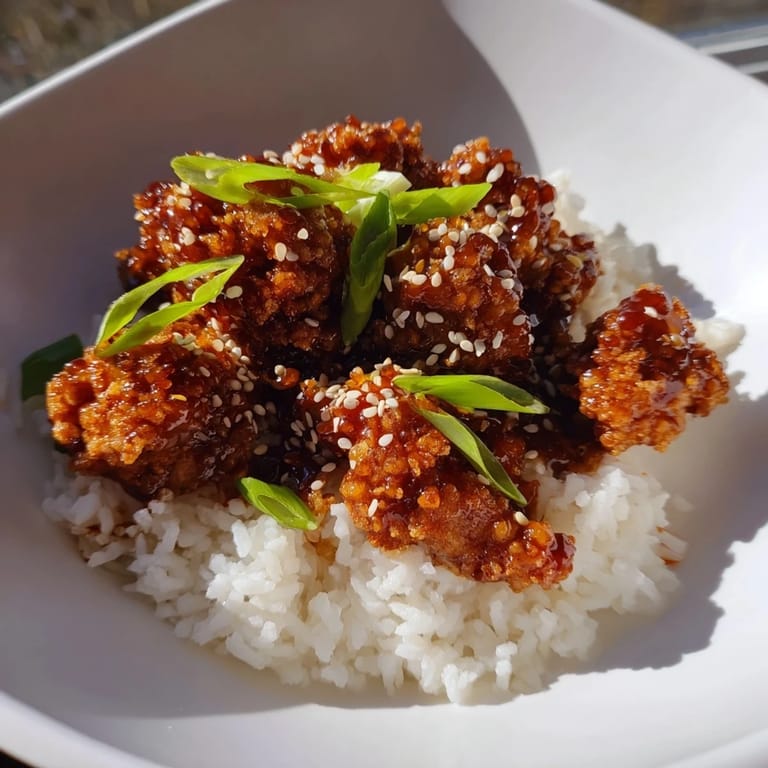
- Toss the fried chicken pieces into the thickened sauce and stir until every piece is coated, working gently so you don't shatter the crispy exterior. Serve immediately over rice while everything is still hot.
 Pin It
 The first time I made this perfectly, I learned that cooking isn't about following steps perfectly but about understanding why each step exists. That moment of the sauce becoming glossy, the smell of garlic and ginger filling the kitchen, the sound of oil crackling around chicken—these sensory cues matter more than any timer.
About the Sauce Balance
This sauce lives in the space between sweet and savory, with acid cutting through both so nothing feels cloying. The sesame oil is the secret player—it adds a richness that whispers rather than shouts, and it's what separates this from generic sweet chicken. If you've had General Tso's chicken that tasted one-dimensional, it was probably missing the sesame oil or had too much sugar drowning everything else out.
Variations and Swaps
Chicken breast works if that's what you have, though it'll be drier—you just have to watch the frying time more carefully and not leave it in oil longer than four minutes. If deep-frying feels like too much, you can bake the coated chicken at 200°C (400°F) for fifteen minutes, turning halfway through, though it won't be quite as crispy. Some people add pineapple chunks or cashews to theirs, which is genuinely good if you want a different texture and a touch of sweetness.
Serving and Pairing
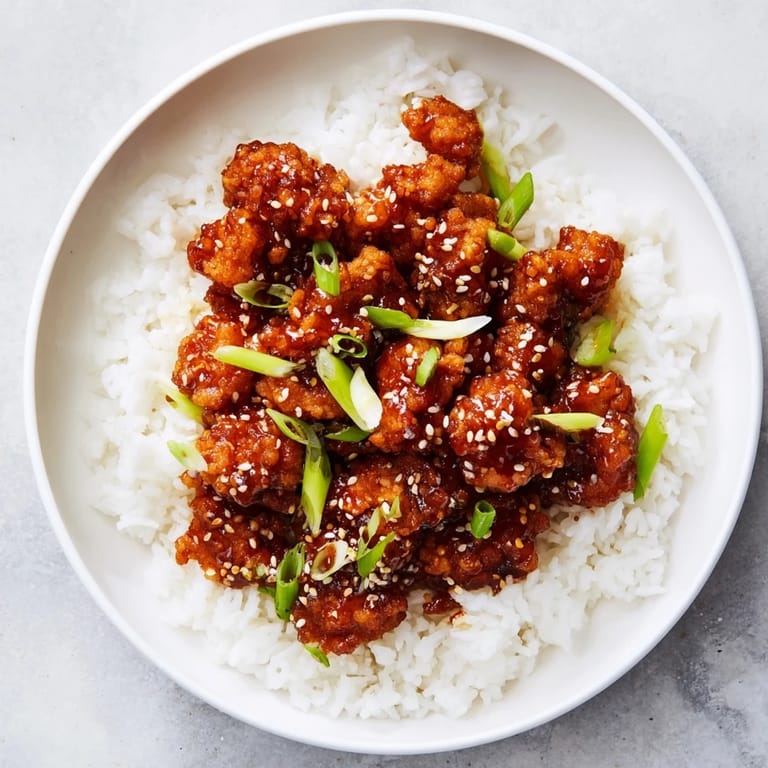
Steamed white rice is the obvious choice and it's the right one—it absorbs the sauce and balances the richness perfectly. A crisp white wine like a Sauvignon Blanc or chilled jasmine tea both cut through the richness in ways that feel elegant without being fussy.
- Make sure your rice is still warm when you serve, cold rice changes the whole experience.
- Spring onions are not optional, they're the final flavor note that makes everything come alive.
- If you're cooking this ahead, keep the chicken and sauce separate until the last minute, then toss together right before serving.
 Pin It
 This dish has a way of turning an ordinary weeknight into something that feels intentional and celebratory. It's the kind of food that makes you feel like you know what you're doing in the kitchen, even if you're learning as you go.
Recipe FAQs
- → What cut of chicken works best for this dish?
Boneless, skinless chicken thighs are preferred for juiciness and flavor, but breasts can be used for a leaner option.
- → How can I control the spiciness level?
Adjust the amount of dried red chilies or chili flakes according to your heat preference.
- → Can the chicken be cooked without deep-frying?
Yes, baking or air-frying the chicken pieces offers a lighter alternative while maintaining crispiness.
- → What sides complement this dish well?
Steamed white rice is traditional, but it also pairs nicely with jasmine tea or a light aromatic white wine.
- → How is the sauce thickened?
A cornstarch slurry is added to the simmering sauce to achieve a glossy, thickened texture.
- → Are there common allergens in this dish?
The dish contains egg, soy, and wheat (gluten) from the flour and soy sauce, with possible traces of sesame.