 Pin It
 The first time I made creamy avocado pesto pasta, it was a Tuesday evening when the air hung heavy with summer heat and the thought of turning on the stove felt unthinkable. I remember how the scent of freshly torn basil leaves lifted my spirits, hinting at something vibrant ahead. Sharing the task with a friend, our laughter echoed with each attempt to pit the avocado cleanly—always slipping, always a little messy. There was no grand occasion, just a quiet promise of something bright and satisfying for supper. Sometimes, a new recipe sneaks up and surprises you with its pure, easy joy.
I whipped this up before a last-minute movie night with my sister, and it became the unofficial dish of our impromptu hangouts. She still teases me about how we nearly doubled the lemon just because nothing says summer like that extra bit of zing.
Ingredients
- Pasta: Choose a high-quality spaghetti or linguine; I noticed even gluten-free versions turn out surprisingly silky if not overcooked.
- Avocados: Ripeness is everything, so go for ones that yield gently to touch—they’ll blend into the creamiest sauce without any lumps.
- Fresh basil leaves: Wash and pat them dry to avoid a watery sauce; the more fragrant your basil, the livelier your pesto.
- Pine nuts (or walnuts): Toasting them first amps up their flavor, but if you’re in a rush, raw ones still work beautifully.
- Garlic: Two cloves deliver a gentle kick, but you can always adjust for your crowd’s preferences.
- Freshly grated Parmesan: Skip pre-grated if you can—fresh shavings melt instantly into the sauce.
- Lemon juice: A squeeze of half a lemon brightens everything and keeps the avocado vibrant green.
- Extra virgin olive oil: I go for a fruity variety that offers rich aroma and rounds out the sauce’s texture.
- Salt and black pepper: Seasonings bring out all the fresh notes—taste as you go to get it just right.
- Extra Parmesan, basil, lemon zest (to serve): Little finishing touches that make every plate look and taste extra special.
Tired of Takeout? 🥡
Get 10 meals you can make faster than delivery arrives. Seriously.
One email. No spam. Unsubscribe anytime.
Instructions
- Boil the pasta:
- Bring a big pot of salted water to a rolling boil, toss in your pasta, and cook until it’s perfectly al dente—taste a strand to be sure. Just before draining, remember to scoop out half a cup of the starchy cooking water for later.
- Blend the sauce:
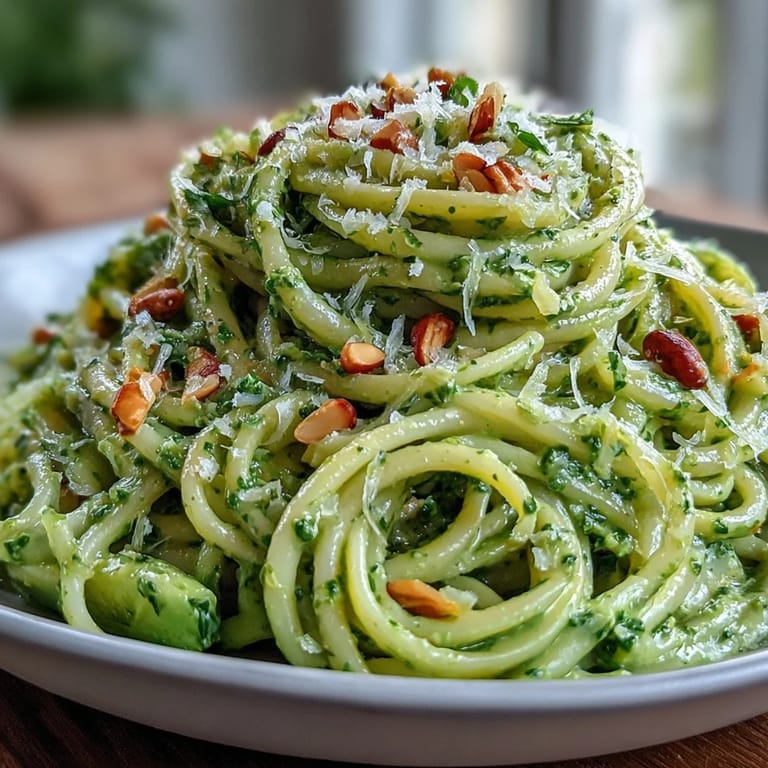
- As the pasta bubbles away, throw avocados, basil, nuts, garlic, Parmesan, lemon juice, and olive oil into your blender or food processor. Blitz everything together until you have the silkiest, greenest sauce; stop to scrape down the sides, then season with salt and pepper to taste.
- Combine and toss:
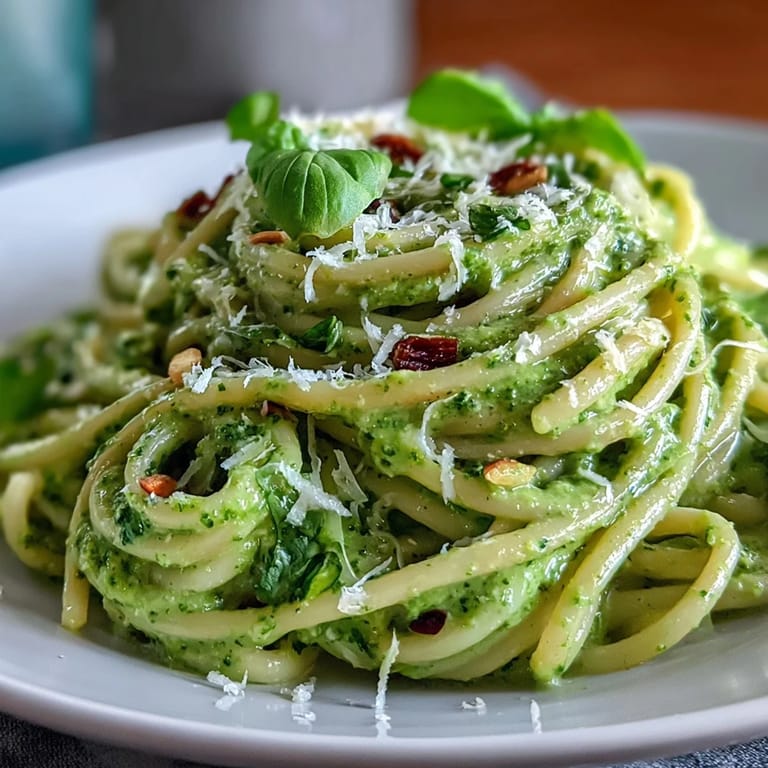
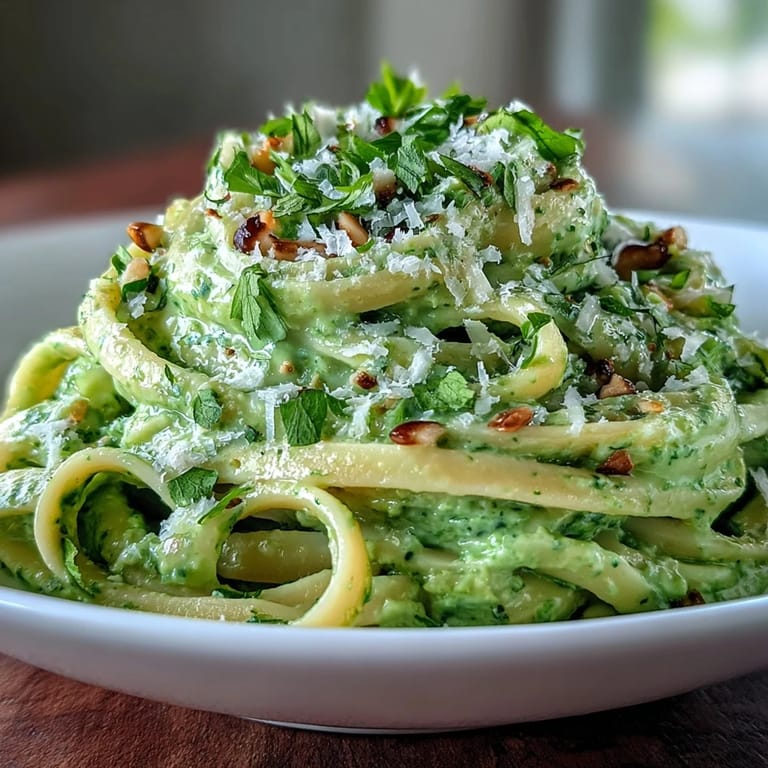
- Pour your drained pasta back in its pot, drizzle on all that vivid avocado pesto, and splash in a little pasta water for creaminess. Use tongs to toss wildly until every strand is slick and glossy, adding more water if you like it extra luscious.
- Serve and garnish:
- Spoon out generous twirls onto plates, then rain down extra Parmesan, fresh basil leaves, and a hint of lemon zest if you’re feeling fancy.
 Pin It
 When my partner and I shared leftovers the next day, we agreed it tasted even more wakeful—something about the basil and lemon together felt like a little celebration at lunch. For me, that was the moment I realized this dish could anchor any gathering or quiet afternoon, no matter how small.
How to Tweak It for Different Crowds
One of my favorite discoveries is how easy it is to tailor this pasta: add grilled chicken for protein, toss in cherry tomatoes for a pop of sweetness, or sprinkle roasted veggies for color and crunch. Once, I even swapped walnuts for pine nuts and it turned out just as rich—so don’t be afraid to adapt based on what’s hanging around your fridge.
Keeping It Fresh (and Green!)
Avocado is notorious for browning, so I’ve found that a little extra lemon juice or pressing plastic right onto the surface will keep leftovers bright for a few hours, though it’s best when enjoyed right away. And yes, a fresh batch always beats one that’s sat overnight, but with enough basil, it’s delicious either way.
A Few More Little Secrets for Success
No matter how many times I make this, I always save a splash more pasta water than I think I’ll need—it’s the trick for glossy, restaurant-worthy sauce. Never skip the final taste test either; seasoning at the end is what makes each version uniquely yours. And finally, pile on all the garnishes your heart desires—the more, the merrier.
- If you forget to season as you go, add a pinch of salt and pepper at the table.
- Feel free to use any pasta shape you love—it all gets coated in that dreamy sauce.
- Don’t rush blending—a super smooth pesto is absolutely worth the extra 10 seconds.
 Pin It
 I hope you have as much fun in the kitchen with this as I do—it’s one of those back-pocket recipes that always brings a smile. Remember, the best meals are the ones that make you feel at home, no matter where you are.
Recipe FAQs
- → How do I keep the avocado sauce from browning?
Brighten the avocado with plenty of lemon juice and serve immediately. If you must hold it, press plastic wrap onto the surface and refrigerate briefly; toss with pasta just before serving.
- → Can I use a nut-free option instead of pine nuts?
Yes—swap pine nuts for toasted sunflower seeds or omit nuts and add a tablespoon of tahini for emulsion and a similar mouthfeel.
- → How do I loosen the sauce if it’s too thick?
Add reserved pasta cooking water a tablespoon at a time while tossing; the starchy water helps create a silky, clingy sauce without diluting flavor.
- → Is this suitable for a vegan diet?
Make it vegan by replacing Parmesan with a vegan hard cheese or nutritional yeast and checking that pasta is egg-free.
- → What pasta shapes work best with this sauce?
Long strands like spaghetti or linguine are classic, but short shapes with nooks—penne, fusilli, or radiatori—also hold the creamy pesto well.
- → How can I add protein or vegetables?
Fold in grilled chicken, shrimp, roasted vegetables, or halved cherry tomatoes for color and texture; warm additions should be combined gently to preserve sauce creaminess.