 Pin It
 There's something quietly wonderful about celery that most people overlook until they taste it coaxed into submission by butter and time. My neighbor once complained her celery always turned bitter, and I realized she'd never actually given it a chance to become sweet. This soup emerged from that conversation, a gentle proof that humble vegetables can transform into something silky and elegant when treated with a little patience and the right herbs.
I made this for my friend Elena on a rainy Thursday when she mentioned feeling overwhelmed by everything. She sat at my kitchen counter while I stirred the pot, and by the time I poured that first bowl, the kitchen smelled so inviting that she actually smiled. She asked for the recipe immediately, and I realized that sometimes the most useful thing you can offer someone isn't advice but a really good bowl of soup.
Ingredients
- Unsalted butter: Two tablespoons is enough to carry the flavor without overwhelming, and unsalted lets you control the salt level yourself.
- Medium onion, chopped: The aromatic foundation that softens sweetly and practically melts into the background.
- Celery stalks, sliced: Six stalks about 400 grams is the heart of this soup, where the magic actually happens once they've simmered down.
- Medium potato, peeled and diced: This adds body and creaminess without needing actual cream, though I sometimes use a waxy potato so it holds its shape longer.
- Garlic cloves, minced: Just two cloves so it supports the herbs rather than taking over.
- Vegetable broth: Four cups is the backbone, and I use a brand I trust because the quality matters more in simple soups.
- Whole milk or plant-based milk: One cup added at the end creates that silky texture, and plant-based works beautifully if that's your preference.
- Bay leaf: One leaf simmers with the broth and gets removed before blending, a classic touch that adds an almost unnameable depth.
- Fresh parsley, dill, and chives: These three herbs are the actual soul of the dish, each one contributing a different note of freshness.
- Salt and freshly ground black pepper: Added to taste at the end because every broth is different and you're the one who knows your palate best.
- Heavy cream or crème fraîche: Optional but lovely for swirling, and it gives you something elegant to do at the table.
Tired of Takeout? 🥡
Get 10 meals you can make faster than delivery arrives. Seriously.
One email. No spam. Unsubscribe anytime.
Instructions
- Melt the butter and start with the onion:
- Watch for that moment when the onion turns translucent and soft, usually around three to four minutes over medium heat. You want it surrendered but still holding its shape, not yet brown.
- Introduce the celery and potato:
- They'll release their moisture and start to soften, and the kitchen will start smelling less raw and more like actual cooking. Stir them occasionally over the next five to seven minutes, letting them get to know each other.
- Add the garlic:
- One minute is all it needs to perfume the whole pot, so don't walk away or you'll miss that moment when it stops smelling raw and starts smelling like something worth eating.
- Pour in the broth and add the bay leaf:
- Bring it up to a simmer, cover the pot, and let it do its work for fifteen to eighteen minutes while the vegetables become genuinely tender. This is when you can step back and do something else without guilt.
- Stir in the milk and fresh herbs:
- The herbs go in last so they stay bright and alive rather than getting cooked into submission. Two more minutes at a simmer is enough to let them integrate without losing their edge.
- Blend until smooth:
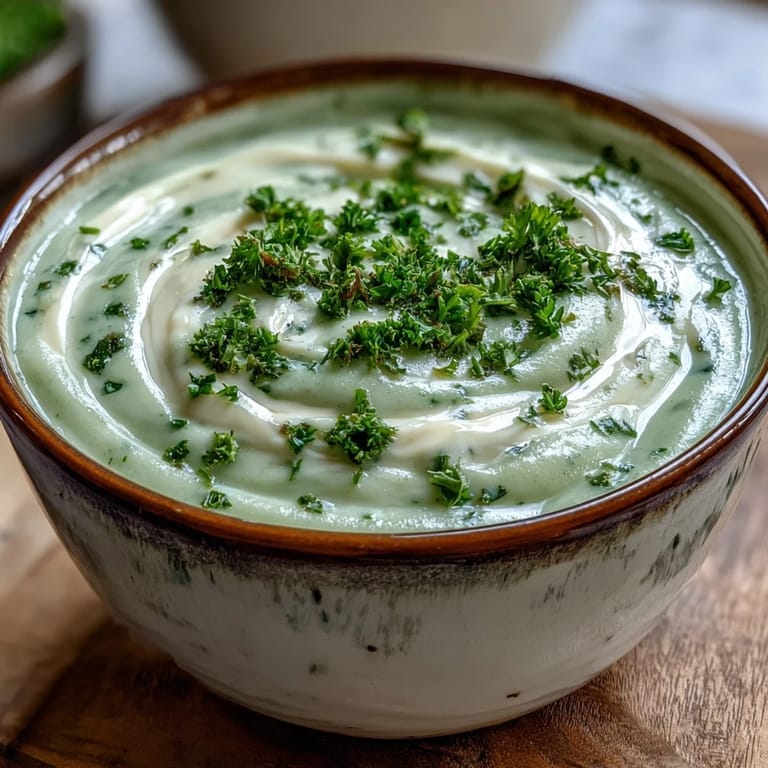
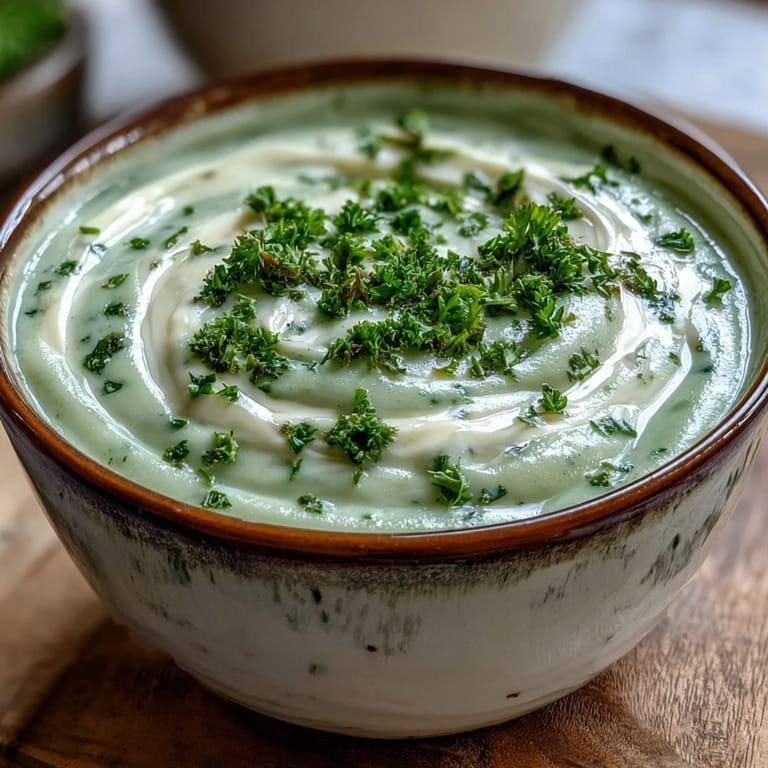
- An immersion blender is easiest and less intimidating than transferring hot soup in batches, but either method works. Blend until there are no visible chunks and the whole thing turns that beautiful pale green.
- Season and adjust:
- Taste before you add salt because broth is often saltier than you expect, and black pepper should be generous enough that you can see the specks. Gentle heat is all you need now.
- Serve with intention:
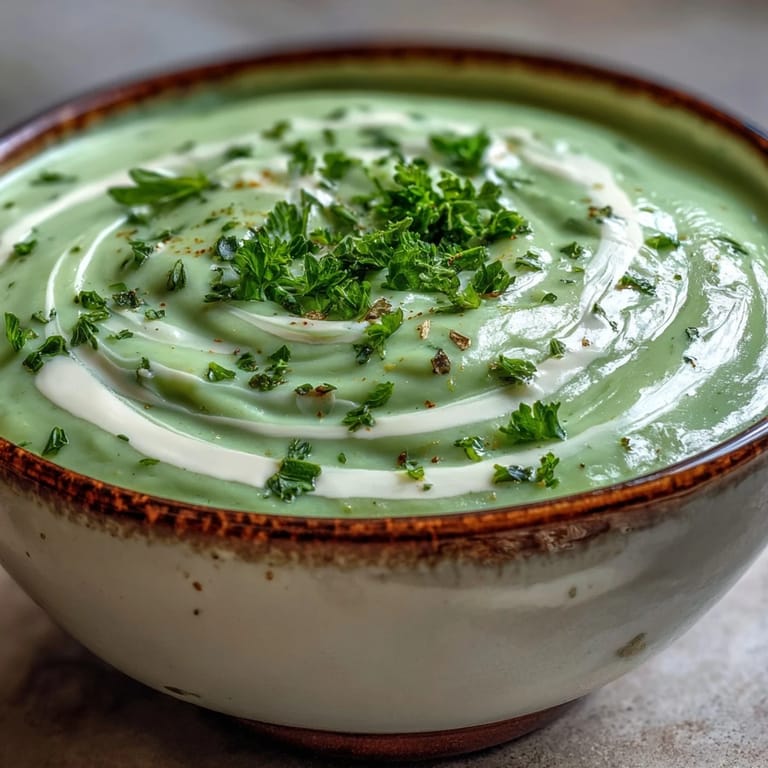
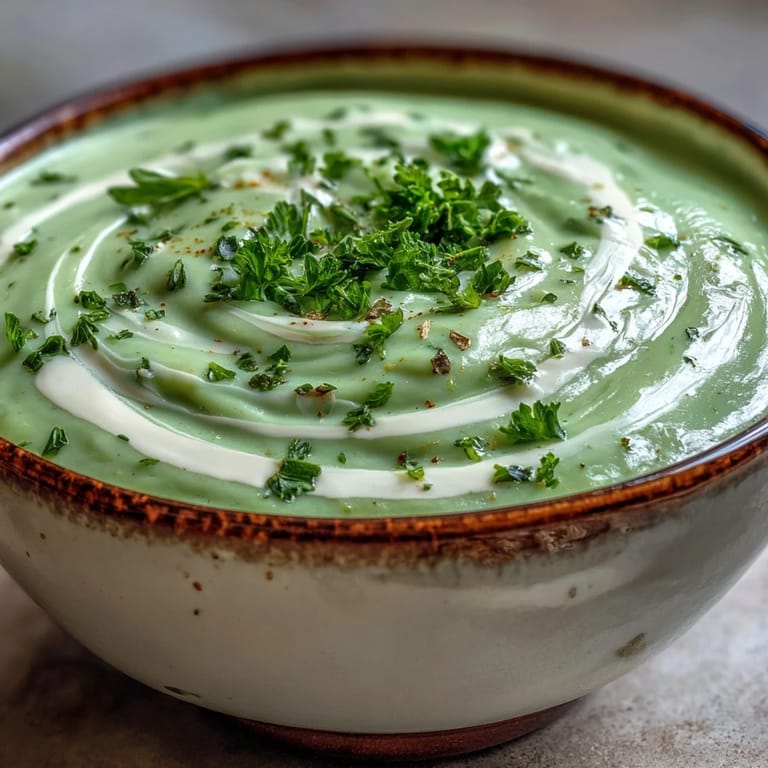
- Ladle into bowls, swirl in that cream if you're using it, scatter the extra herbs on top, and serve while it's still steaming.
 Pin It
  Pin It
 This soup became a regular thing during that particular winter, something I made every few weeks without much fanfare. It was never the showstopper dish, but it was the one people asked me to make again, the one that somehow made ordinary evenings feel less ordinary.
The Celery Question
Most people grow up thinking celery is just something that goes into other things, raw and forgettable in a lunch box. But celery cooked becomes almost sweet, and when you puree it with potato and milk, it becomes something closer to silk than vegetable. The herbs are what keep it from feeling heavy or dull, each one pulling out a different subtle quality that you'd never notice in the raw ingredient.
Making It Your Own
The beauty of this soup is how easily it bends to what you have on hand or what you're craving. I've added a splash of white wine when I wanted richness, and a whisper of nutmeg when the weather turned particularly cold. Some versions benefit from a squeeze of lemon at the very end, just enough to brighten everything without making it taste citrusy.
- If you want to add white wine, do it right after the onion softens and let it cook down a bit before adding the vegetables.
- Nutmeg should be barely visible, a pinch added to your taste at the very end so it doesn't overpower the herbs.
- A touch of lemon or good vinegar can wake things up, so taste and adjust with a little at a time.
Storage and Beyond
This soup freezes beautifully as long as you skip the cream garnish, which means you can make a double batch and have comfort food waiting for you on nights when you don't want to cook. It keeps in the refrigerator for about four days, and reheats gently on the stovetop so it stays silky rather than breaking.
 Pin It
  Pin It
 A good soup asks very little of you and gives back something disproportionately comforting in return. This one happens to be one of those honest dishes that tastes like someone cared about you while making it.
Recipe FAQs
- → Can I make this soup vegan?
Yes, simply substitute plant-based butter and milk for the dairy versions, and skip the cream garnish or use a vegan alternative.
- → How do I store leftover celery soup?
Store in an airtight container in the refrigerator for up to 4 days. Reheat gently on the stovetop, adding a splash of broth or milk if needed to adjust consistency.
- → Can I freeze this soup?
Absolutely. Freeze the soup without the cream garnish for up to 3 months. Thaw overnight in the refrigerator and reheat gently before serving.
- → What can I substitute for potato in this soup?
Cauliflower florets or parsnip work well as substitutes, providing similar creaminess and texture when blended.
- → Do I need an immersion blender?
Not necessarily. A countertop blender works perfectly fine. Just blend in batches carefully, allowing steam to escape to avoid pressure buildup.
- → What herbs can I use if I don't have fresh ones?
While fresh herbs provide the best flavor, you can use dried herbs at about one-third the amount. Add them earlier during cooking to allow flavors to develop.