 Pin It
 Last spring, my neighbor mentioned she'd been eating dandelion greens from her yard, and something about her casually pointing to those cheerful yellow flowers made me wonder what else they could become. I spent an afternoon collecting petals from an untouched corner of a field, my fingers turning dusty gold, and that evening the whole kitchen smelled like something between honey and sunshine. The jelly that came from those petals turned out to be one of those quiet kitchen victories that feels almost magical in its simplicity.
I brought a jar to a breakfast with friends who are always searching for something different, and watching them taste it for the first time was worth every minute of steeping. One friend closed her eyes and said it tasted like walking through a meadow, which sounds dramatic until you actually taste it yourself. That moment made me realize foraged food isn't just about the ingredient—it's about sharing something you discovered with your own hands.
Ingredients
- Dandelion petals: Use only the yellow petals, as the green sepals beneath them carry bitterness that will ruin the delicate flavor; forage from areas you know are pesticide-free, away from roadsides and treated lawns.
- Water: This becomes your infusion base, drawing out the subtle floral notes over several hours of steeping.
- Lemon juice: Freshly squeezed is essential because it brightens the flavor and provides the acid needed for proper gel setting and preservation.
- Powdered fruit pectin: This thickening agent is what transforms your infusion into actual jelly rather than a thin syrup.
- Granulated sugar: Beyond sweetness, sugar is a preservative that helps the jelly set and keeps it shelf-stable for months.
Tired of Takeout? 🥡
Get 10 meals you can make faster than delivery arrives. Seriously.
One email. No spam. Unsubscribe anytime.
Instructions
- Harvest and clean your petals:
- Pick dandelion flowers on a dry day when they're fully open, then sit down with a bowl and carefully separate the yellow petals from the bitter green parts—this is meditative work and worth doing slowly. Rinse them gently in cool water to dislodge any insects, then pat dry with a soft cloth.
- Create your infusion:
- Bring the petals and water to a boil, let them bubble for just 5 minutes, then cover the pot and walk away for the next 4 hours (or overnight if you want an even more intense flavor). The longer it steeps, the deeper the floral notes become, and your kitchen will smell absolutely incredible.
- Strain with patience:
- Pour everything through a fine mesh sieve lined with cheesecloth, and here's the key—press gently on the petals to coax out every drop of liquid, but don't squeeze so hard that you force the plant matter through. You're looking for about 3½ to 4 cups of clear golden liquid.
- Combine and reach the boil:
- In a large pot, combine your strained infusion with lemon juice and pectin, stirring well so the pectin dissolves completely. Bring the whole mixture to a rolling boil that you can't stir down—this is the moment when everything comes together.
- Add sugar and set:
- Dump all the sugar in at once and keep stirring as it returns to a hard rolling boil, then let it boil vigorously for 1 to 2 minutes while you watch for it to reach 220°F on a candy thermometer. This is when you know it's done—the mixture will have transformed into something that actually wrinkles on a cold plate.
- Jar and process:
- Skim any foam off the top, then ladle the hot jelly into sterilized jars, leaving a quarter-inch of space at the top. Wipe the rims clean, seal with lids, and process in a boiling water bath for 10 minutes to ensure safe storage.
- Rest and listen:
- Let the jars cool completely undisturbed for 12 hours, and you'll hear those satisfying little pops as each lid seals—that sound means you've done it right.
 Pin It
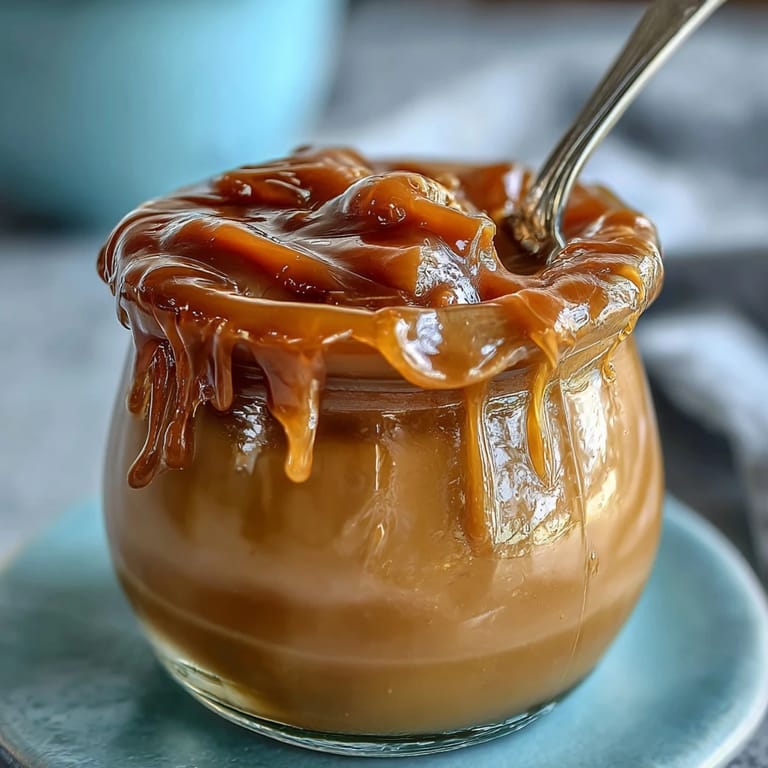
 There's something deeply satisfying about having a jar of something you made from plants you found yourself, sitting on your shelf like a tiny achievement in preserving form. Every time I spread it on morning toast, I remember that afternoon in the field and how something so simple turned into something worth keeping.
The Foraging Moment
If you've never foraged before, dandelion hunting is genuinely the perfect starting point because the flowers are unmistakable and they're everywhere in spring. Pick them on a warm, sunny day when they're fully open and the plants are dry—wet flowers will carry moisture into your jars. The meditative act of separating petals becomes its own reward, giving you time to think about where food comes from and why it might taste better when you've found it yourself.
Flavor Variations Worth Trying
While the pure dandelion version is lovely, I've experimented with additions that somehow make it even better. A tablespoon of orange zest added with the lemon juice creates something brighter and more complex, shifting the flavor toward something almost citrus-forward. You could also try a few drops of rose water or a vanilla bean split and steeped with the petals if you want to lean into the floral side even more, though I find the simplest version is often the most elegant.
Serving and Storing
This jelly shines on warm scones with a small dollop of cream, or swirled into yogurt for a breakfast that feels unexpectedly special. It's also wonderful as a glaze for roasted duck, a topping for soft cheeses, or even stirred into sparkling wine for an unusual aperitif. Properly sealed jars will keep for up to a year in a cool, dark cupboard, though something this beautiful rarely lasts that long.
- Spread it thick on buttered toast and eat it slowly while you remember where it came from.
- Pair it with sharp cheddar or creamy chèvre for a combination that feels both simple and sophisticated.
- Gift jars with a note about when and where you foraged the flowers, turning your kitchen effort into a meaningful present.
 Pin It
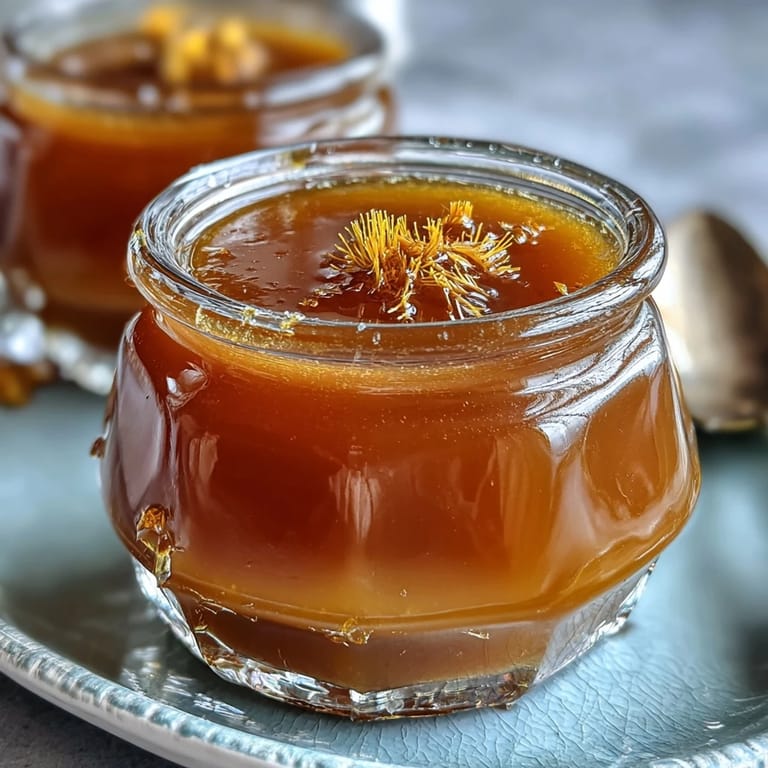
 Making dandelion jelly is a small act of foraging that turns spring abundance into something you can return to all year. It's the kind of recipe that makes you feel connected to where your food comes from.
Recipe FAQs
- → How do I prepare the dandelion petals properly?
Remove all green parts like sepals and stems to avoid bitterness, then rinse petals gently to clean off debris and insects.
- → Can I speed up the steeping process?
Steeping for at least 4 hours extracts the best flavor, but overnight steeping intensifies the floral notes for a richer infusion.
- → What is the best way to test the jelly’s setting point?
Boil the mixture until it reaches 220°F (104°C) or use a cold plate test to check if the jelly firms properly before removing from heat.
- → Are there variations to enhance the flavor?
Adding orange zest with lemon juice adds a fresh citrus twist, balancing the floral sweetness nicely.
- → How should the final product be stored?
Store sealed jars in a cool, dark place. Once opened, refrigerate and use within a few weeks for best quality.