 Pin It
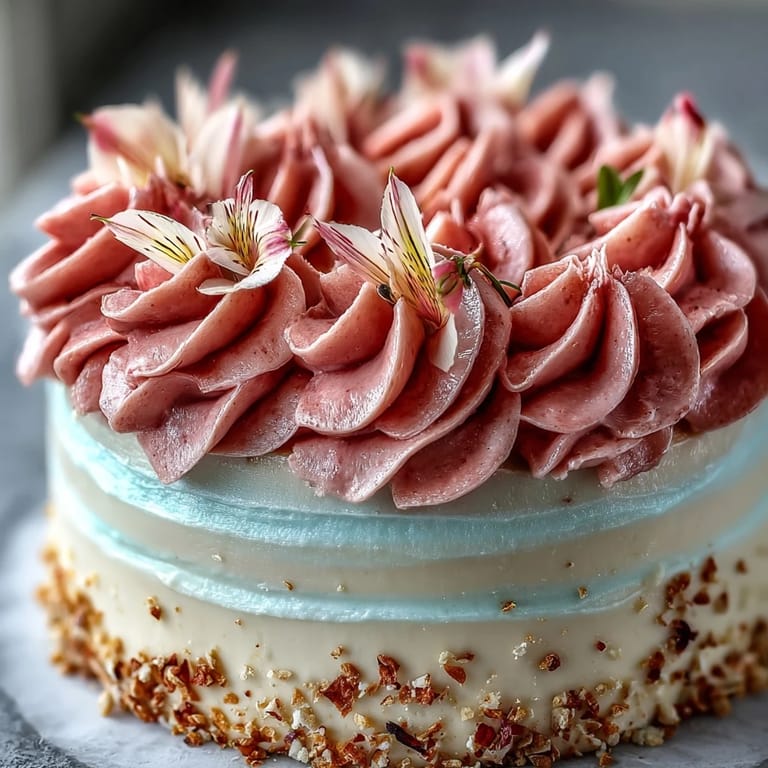
 The first time I made a pastel ombre spring cake, sunlight spilled across my kitchen counter as I eyed the gel food colorings, imagining the layered result. It was less about a perfect finish than watching those subtle hues swirl together, hinting at the soft blooms I’d seen outside on my morning walk. The scent of butter and sugar mixing filled the room, and my playlist hopped from mellow jazz to joyful pop, keeping spirits high. I still remember the gentle hum of my mixer, nearly drowning out my excitement as I prepared the floral topper. There’s something quietly special about a cake that looks as tender as it tastes.
One rainy afternoon, I made this cake for my friend’s spring birthday, turning the gloom outside into laughter inside as we debated which pastel shade looked the prettiest. Flour dusted the counter and our conversations wandered from travel dreams to favorite desserts. As the cake layers cooled, we stole spoonfuls of buttercream and sampled the edible flowers, chatting about everything except the weather. That day, the cake felt like a celebration, not just of spring, but of good company and small joys. I still remember the delighted faces when the cake appeared, crowned with fresh blossoms.
Ingredients
- All-purpose flour: The backbone of tender cake layers; sift it for an even crumb.
- Baking powder & baking soda: These ensure your cake rises tall and soft—double-check freshness for best results.
- Salt: A pinch sharpens sweetness and rounds out the cake’s flavor.
- Unsalted butter: Room temperature is key for creaming; let it warm while you prep your pans.
- Granulated sugar: Gives structure and sweetness; beat thoroughly with butter for a light texture.
- Eggs: Let them come to room temp—they blend smoothly and boost richness.
- Pure vanilla extract: Real vanilla makes the flavors sing; don’t skimp here.
- Whole milk: Mixes gently into batter, creating a moist, soft crumb; let it warm up for best blending.
- Gel food coloring (pastel pink, yellow, green, or blue): Gel colorings don’t thin batter, yielding vibrant pastel swirls.
- Powdered sugar: Sift before using to prevent lumps in buttercream.
- Edible flowers (pansies, violas, roses, chamomile): Certified organic and edible only; rinse gently to remove any debris.
Tired of Takeout? 🥡
Get 10 meals you can make faster than delivery arrives. Seriously.
One email. No spam. Unsubscribe anytime.
Instructions
- Prep Your Pans:
- Grease and line three 8-inch round cake pans as oven preheats so layers release cleanly—parchment guarantees no surprises.
- Mix Dry Ingredients:
- Whisk flour, baking powder, baking soda, and salt until uniform, breathing in the gentle toasty aroma.
- Cream Butter & Sugar:
- Beat butter and sugar until pale and fluffy, listening for the steady rhythm of the mixer—then add eggs one by one, followed by vanilla.
- Combine Wet & Dry:
- Alternate flour mixture and milk, watching batter thicken smoothly; mix gently, stopping as soon as it’s combined.
- Create Ombre Batter:
- Divide into three bowls, tinting each with pastel gel coloring—swirl colors for a soft gradient, enjoying the transformation of plain batter.
- Bake Layers:
- Pour colored batters into pans, bake 25–30 minutes, and test with a toothpick for doneness; cool for 10 minutes in pans, then transfer to racks.
- Buttercream Magic:
- Cream butter, then add powdered sugar gradually; beat until fluffy before mixing in vanilla and milk. Divide and tint frostings to match cake hues.
- Assemble & Frost:
- Level layers, stack with buttercream in between, apply a crumb coat, chill, then finish ombre frosting using an offset spatula.
- Finish with Flowers:
- Arrange edible flowers on top, letting your creativity guide placement—add just before serving for maximum freshness.
 Pin It
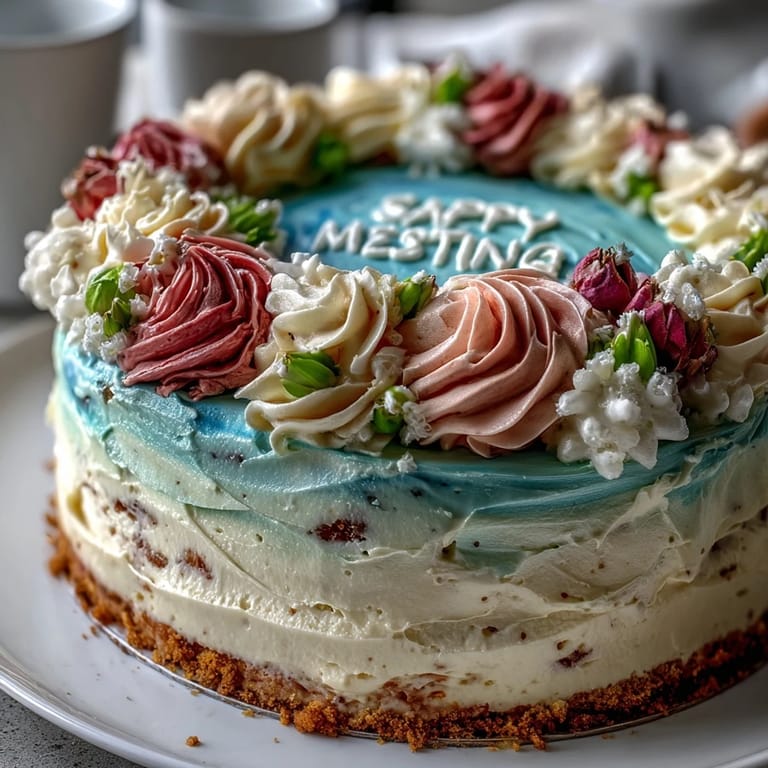
 After assembling this cake for a spring brunch last year, everyone lingered by the table, admiring the soft pastels and floral topping. It sparked conversations about childhood gardens and favorite blooms—and even drew in neighbors who popped by for an impromptu slice. In that sunlit room, the cake brought us together and made the moment feel festive. To this day, I associate its colors with laughter, blooming flowers, and good memories. It’s a recipe that turns any gathering into a celebration.
How to Achieve Smooth Ombre Frosting
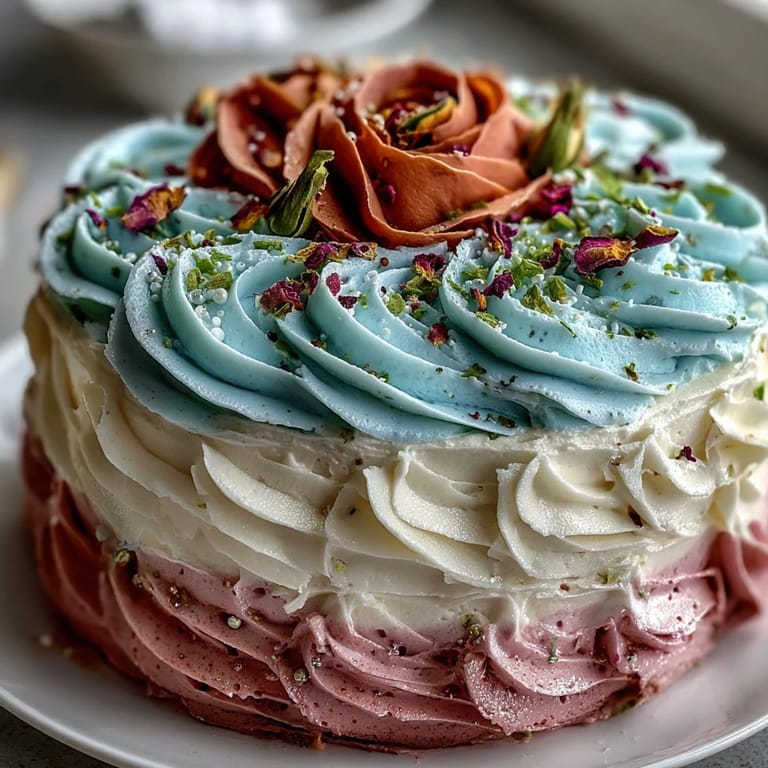
Working with pastel-hued buttercream takes patience; I found that using a cake turntable helped me blend colors easily, giving a seamless ombre effect. Apply frosting with an offset spatula and gently overlap the shades—if one color starts to smear, clean your spatula and return for a fresh swipe. The trick is not to overwork the buttercream, or it can lose its distinct layers. Always chill the cake between coats to set the colors. Light strokes make the gradients appear effortless.
Choosing the Right Edible Flowers
I once made the mistake of using flowers from the garden without checking edibility, so now I only buy labeled organic edible blooms from the market—safety first. Pansies and violas hold up beautifully atop the buttercream, and roses add a romantic touch. Arrange flowers just before serving so they stay vibrant and crisp. A gentle rinse and pat dry prevents any stray soil or pollen. Let your creativity bloom as you decorate.
Cake Layer Troubleshooting
If your cake layers bake unevenly, trim the domes with a serrated knife for a picture-perfect stack. Cooling completely before frosting stops the buttercream from melting and sliding. Sometimes, a layer turns out crumbly; in that case, just use extra buttercream to hold it together. If you’re nervous about transferring layers, use a flat spatula for extra support. Don’t rush assembly—steady hands make for prettier results.
- If you run out of food coloring, pastel swirls can be achieved by blending white frosting with a hint of leftover jam.
- Keep edible flowers refrigerated until decorating for best freshness.
- Always serve on a sturdy cake board so the layers stay intact.
 Pin It
 Spring cakes like this pastel ombre beauty are made for sharing and a little showmanship. Enjoy the process, and let your creativity shine with every layer and bloom.
Recipe FAQs
- → How do you achieve the ombre coloring in cake layers?
Divide the cake batter into portions and tint each with pastel shades using gel food coloring before baking.
- → What type of flowers can be used for the topper?
Use organic, edible flowers such as pansies, violas, roses, or chamomile. Verify their suitability before decorating.
- → Can this dessert be adapted for vegan diets?
Yes, substitute plant-based butter, milk, and egg replacers for a vegan-friendly version.
- → Which tools are necessary for assembling the cake?
You will need cake pans, an electric mixer, mixing bowls, spatulas, a wire rack, and optionally a cake turntable.
- → Is gel or liquid food coloring better for pastel shades?
Gel food coloring is recommended; it delivers vibrant yet soft hues without thinning the batter or frosting.
- → What allergens are present in this dessert?
It contains wheat (gluten), eggs, dairy, and possibly allergens from edible flowers. Check each ingredient for sensitivities.