 Pin It
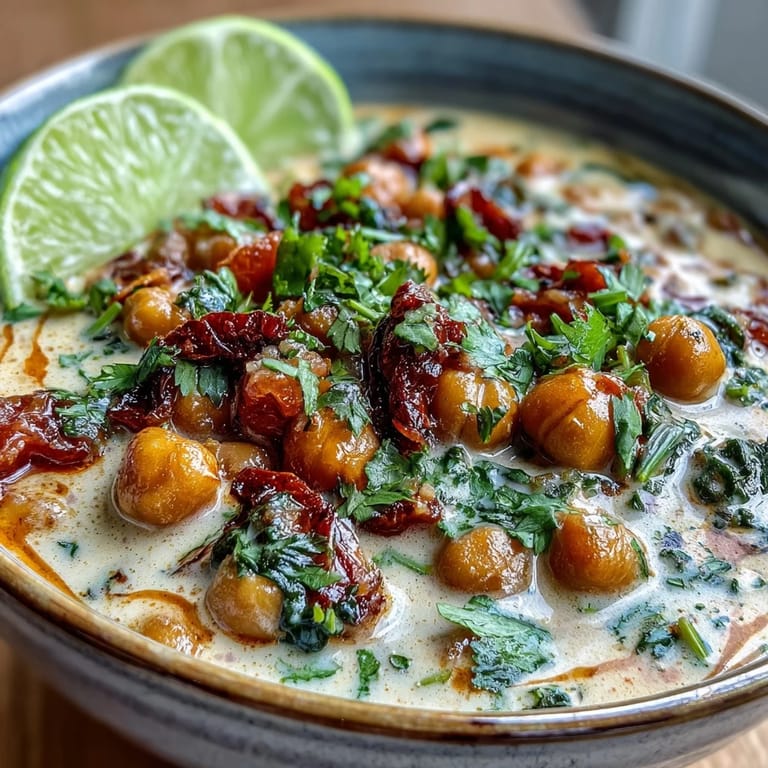
 There's something almost meditative about watching chickpeas transform in a pot of coconut milk and spices. I stumbled onto this curry one rainy afternoon when I had nothing but pantry staples and a craving for something warm, and it turned out to be exactly what I needed. The aroma that fills your kitchen is unbelievable, like you've somehow brought India into your home with just a handful of spices. What started as an improvisation became my go-to meal whenever I want comfort food that doesn't require hours at the stove.
I made this for my friend Maya on a Tuesday when she mentioned feeling burnt out from fancy restaurant food. She sat at my kitchen counter watching the spices bloom in the oil, and by the time we dug in, she was asking if I'd been secretly training as a chef. That moment taught me that the most impressive meals aren't always the complicated ones, they're the ones made with care and good ingredients working in harmony.
Ingredients
- Vegetable oil: Use neutral oil like canola or sunflower; it lets the spices shine without competing flavors.
- Onion: Dice it finely so it melts into the sauce and carries the aromatic base forward.
- Garlic and ginger: Fresh versions matter here more than dried; they're the backbone that makes this taste alive instead of flat.
- Ground cumin: This is your backbone spice, toasted fresh to deepen its warmth.
- Ground coriander: It adds a subtle sweetness and brightness that balances the earthiness of cumin.
- Ground turmeric: Beyond the golden color, it brings a slightly bitter earthiness that grounds the whole dish.
- Garam masala: This blend of warming spices is your secret weapon for authentic flavor without needing ten separate jars.
- Chili powder: Start with half a teaspoon and adjust; you're building heat, not masking other flavors.
- Paprika: It adds color and a gentle smokiness that deepens as it simmers.
- Chickpeas: Rinse canned chickpeas thoroughly to remove that tinny flavor and excess sodium.
- Coconut milk: Full-fat is essential; the low-fat versions break and separate when simmered.
- Diced tomatoes: Canned tomatoes are actually more reliable here than fresh, with their juice creating a better sauce base.
- Vegetable broth or water: This controls the sauce consistency, so add less if you like it thicker.
- Baby spinach: Optional, but it wilts in seconds and adds nutrition and a fresh edge to the richness.
- Lime juice: This finishes the dish by cutting through the richness and bringing everything into focus.
- Fresh cilantro: A handful scattered on top adds brightness and a little herbaceous joy.
Tired of Takeout? 🥡
Get 10 meals you can make faster than delivery arrives. Seriously.
One email. No spam. Unsubscribe anytime.
Instructions
- Build your fragrant base:
- Heat the oil over medium heat and add your diced onion, letting it soften and turn translucent for about 4 to 5 minutes. You'll know it's ready when it starts to look glassy and the kitchen smells sweet and slightly caramelized.
- Wake up the aromatics:
- Stir in your minced garlic and grated ginger, cooking for just a minute until the smell hits you all at once and you know those raw notes have mellowed out. This is where the magic begins, even if it doesn't look like much yet.
- Toast your spices:
- Add all the ground spices at once and stir constantly for about a minute, watching as the mixture becomes fragrant and slightly darker. You're not burning them, you're releasing all their hidden depth and warmth into the oil.
- Combine everything:
- Pour in the chickpeas, tomatoes with their juice, coconut milk, and broth, stirring gently to make sure nothing sticks to the bottom. The mixture will look less cohesive at first, but that's exactly right.
- Let it simmer and develop:
- Bring it to a gentle simmer with the lid on and cook for 15 minutes, stirring occasionally to make sure the flavors meld together. The longer it sits, the more the spices integrate into the creamy sauce.
- Finish with brightness:
- If you're using spinach, add it now and let it wilt for 2 to 3 minutes, then stir in your lime juice and taste for salt and heat. This final step transforms it from good to unforgettable, cutting through all that richness with a sharp, bright note.
 Pin It
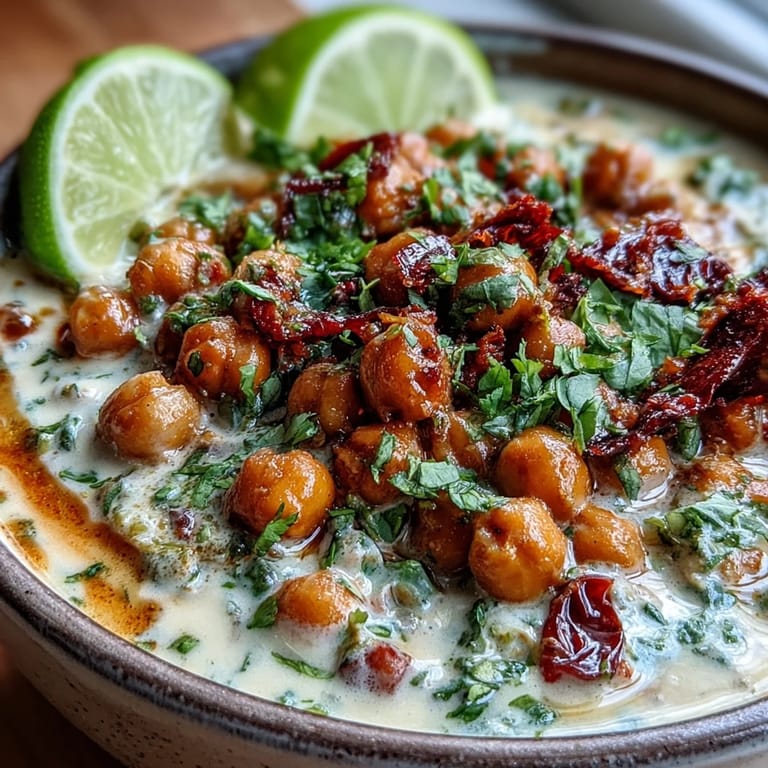
 What moves me most about this curry is how it transformed my relationship with weeknight cooking. It proved that you don't need to be intimidated by spices or worry that plant-based food will feel sad or less-than, because when flavors are balanced and built with intention, nobody notices what's missing.
The Art of Spice Toasting
That one minute of toasting your spices in hot oil is the difference between a good curry and one that tastes like it's been simmering since morning. When spices hit hot oil, their essential oils release and activate, so you're not just adding flavor, you're unlocking the depth that makes people pause mid-bite and ask what's in this. I learned this the hard way by skipping the step entirely, and the resulting curry tasted flat and forgettable even though I'd used the exact same ingredients in the exact same quantities.
Building Layers Without Complexity
One of the kindnesses of this curry is that it looks like you've done something complicated when really you're just stacking simple ingredients on top of each other. The onion and ginger create the base, the spices build the character, the tomatoes add acidity and body, and the coconut milk brings richness, but none of these steps require technique or timing. It's more about being patient and letting each component do its job than about managing multiple pans or worrying about whether something will break.
Customizing Without Losing Your Way
The beauty of this recipe is that it's forgiving enough to bend to what you have in your kitchen. I've added roasted sweet potato, diced bell pepper, or even a handful of green beans without ever making it feel like a different dish, because the spice base is strong enough to hold everything together. The key is not to go crazy and add more than a cup of extra vegetables, or you'll dilute the sauce and lose that creamy richness that makes this special.
- If you like your curry thicker, simmer uncovered for the last 5 minutes and let some of the liquid evaporate.
- If you want more heat, add an extra quarter teaspoon of chili powder or stir in some fresh diced hot pepper at the end.
- If you need to make this ahead, it actually tastes better the next day once all the spices have had time to settle and deepen.
 Pin It
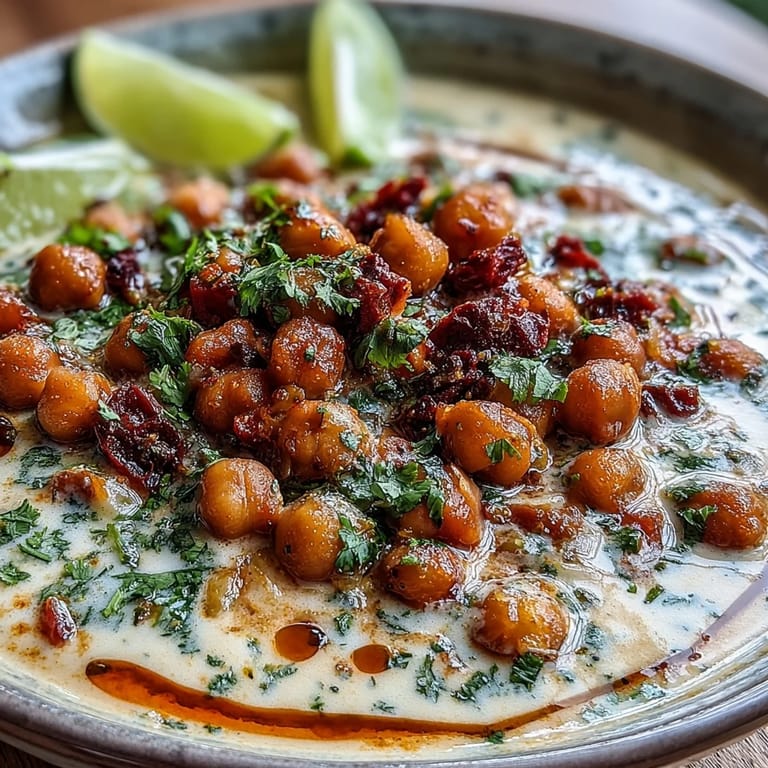
 This curry has become my answer to so many different moments in the kitchen and in life, because it's reliable, kind, and generous. It asks for very little and gives back warmth, comfort, and a kitchen that smells like you've been cooking with intention.
Recipe FAQs
- → Is this curry spicy?
The spice level is mild to medium. You can easily adjust the heat by reducing or increasing the chili powder. Start with less if you prefer milder flavors.
- → Can I make this ahead?
Absolutely. This curry actually tastes better the next day as flavors meld together. Store in the refrigerator for up to 4 days and reheat gently on the stovetop.
- → What should I serve with it?
Steamed basmati rice is classic, but it also pairs beautifully with naan, roti, or quinoa. The creamy sauce is perfect for soaking up with warm bread.
- → Can I use fresh chickpeas?
Yes, soak dried chickpeas overnight and cook until tender before adding. You'll need about 3 cups cooked chickpeas to replace the canned ones.
- → How do I thicken the sauce?
Simmer uncovered for the last 5-10 minutes to reduce and thicken. You can also mash some chickpeas against the side of the pan to create a creamier texture.
- → Is this freezer-friendly?
Yes, it freezes well for up to 3 months. Let it cool completely, transfer to freezer-safe containers, and thaw overnight in the refrigerator before reheating.