 Pin It
 One October afternoon, my kitchen filled with the smell of roasting vegetables before I'd even finished chopping them. I'd grabbed whatever looked good at the market, tossed it all on a sheet pan with olive oil, and when the oven timer went off, something magical had happened—every vegetable had turned golden and sweet, their edges caramelized and concentrated. That's when I realized roasting wasn't just a cooking method; it was a flavor amplifier. Turned into soup, those vegetables transformed into something velvety and complex that tasted nothing like boiled vegetables. It became my go-to recipe for when the weather shifts and I want something warm that doesn't feel heavy.
I made this for my neighbor last winter when she was stuck at home recovering from the flu. She'd mentioned wanting something nourishing but not boring, and I remembered how comforting a good vegetable soup could be. When she tasted it, she actually got quiet for a moment, then asked what I'd done to make regular vegetables taste like that. It wasn't anything fancy—just the simple act of roasting them first. That bowl became something of a running joke between us, and now whenever the seasons change, she texts asking if I'm making "the soup."
Ingredients
- Carrots (2 medium, peeled and chopped): They're your sweetness base, so don't skimp or use the sad ones hiding in your fridge—fresh, firm carrots make a real difference in the final flavor.
- Sweet potato (1 medium, peeled and diced): This is what gives the soup its velvety body; it breaks down beautifully and adds natural creaminess without any dairy.
- Red bell pepper (1, seeded and chopped): The slight sweetness and bright color come from this one—use red over green if you can, as they're sweeter when roasted.
- Zucchini (1, chopped): A lighter vegetable that keeps the soup from feeling too heavy while adding subtle flavor and bulk.
- Red onion (1, peeled and quartered): Caramelizes beautifully in the oven and becomes almost candy-like when roasted.
- Garlic (2 cloves, peeled): Roasted garlic loses its harshness and becomes almost nutty and mellow—a completely different thing than raw garlic.
- Olive oil (2 tablespoons): Use good oil for roasting; it helps everything brown evenly and contributes real flavor to the finished soup.
- Vegetable broth (4 cups): The base that ties everything together—use one you'd actually drink on its own, as the quality matters when there aren't many other ingredients.
- Dried thyme and rosemary (1 teaspoon each): Mediterranean herbs that complement roasted vegetables perfectly without overpowering the natural flavors.
- Smoked paprika (½ teaspoon): Adds a whisper of smokiness that makes people wonder what your secret is.
- Salt and black pepper: Season in layers—a little on the vegetables before roasting, then taste and adjust at the end.
- Fresh parsley (2 tablespoons, chopped): A bright garnish that adds freshness and color right at the moment of serving.
- Extra virgin olive oil for drizzling: A final touch that feels intentional and tastes like care.
Tired of Takeout? 🥡
Get 10 meals you can make faster than delivery arrives. Seriously.
One email. No spam. Unsubscribe anytime.
Instructions
- Set your oven and prep the pan:
- Preheat to 425°F and line a large baking sheet with parchment paper—this prevents sticking and makes cleanup effortless. Get everything ready before you start chopping so you're not rushed.
- Chop and arrange your vegetables:
- Cut everything into roughly similar sizes so they roast evenly; you want pieces about 1 to 1.5 inches. Spread them out in a single layer on the sheet so they can caramelize rather than steam.
- Season and drizzle:
- Toss your vegetables with the 2 tablespoons of olive oil until everything's coated, then scatter the thyme, rosemary, and smoked paprika over top. Season with salt and pepper—taste a raw piece if you're unsure about the amount.
- Roast until golden:
- Put the sheet in the oven for 30 to 35 minutes, stirring halfway through so the edges get evenly caramelized. You're looking for deep golden color and tender interiors, not just softness.
- Transfer and simmer:
- Once roasted, scrape everything into a large pot with the vegetable broth and bring to a simmer over medium heat. Let it bubble gently for about 10 minutes so all those roasted flavors meld together.
- Blend into smoothness:
- Use an immersion blender and puree the soup directly in the pot until it's silky and velvety, or carefully work in batches with a countertop blender if you prefer. Start on low speed and gradually increase so you don't splash hot soup everywhere.
- Taste and adjust:
- This is crucial—season to your preference with extra salt, pepper, or even a pinch more smoked paprika. What tastes right to you matters more than any recipe instruction.
- Serve with intention:
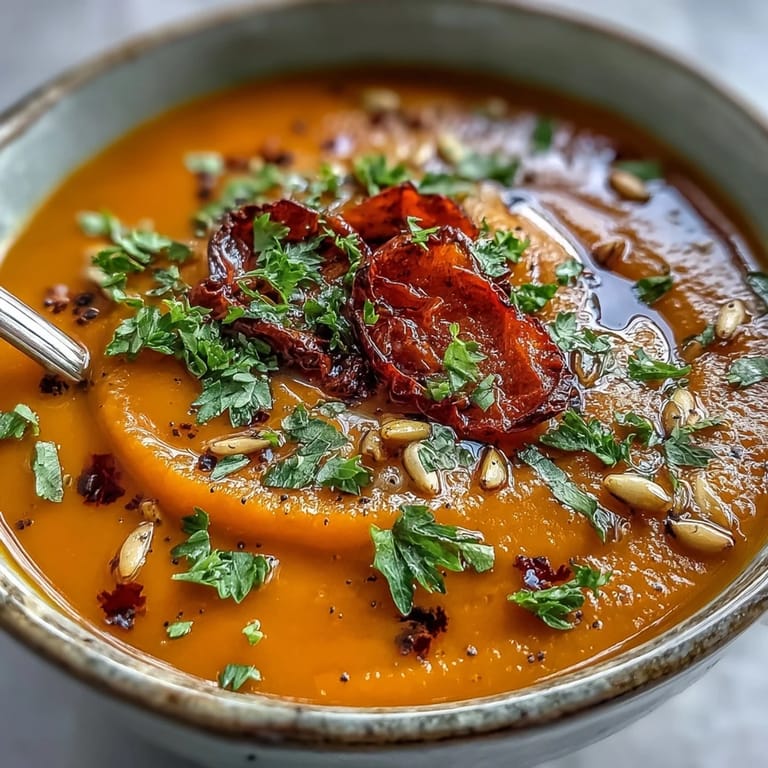
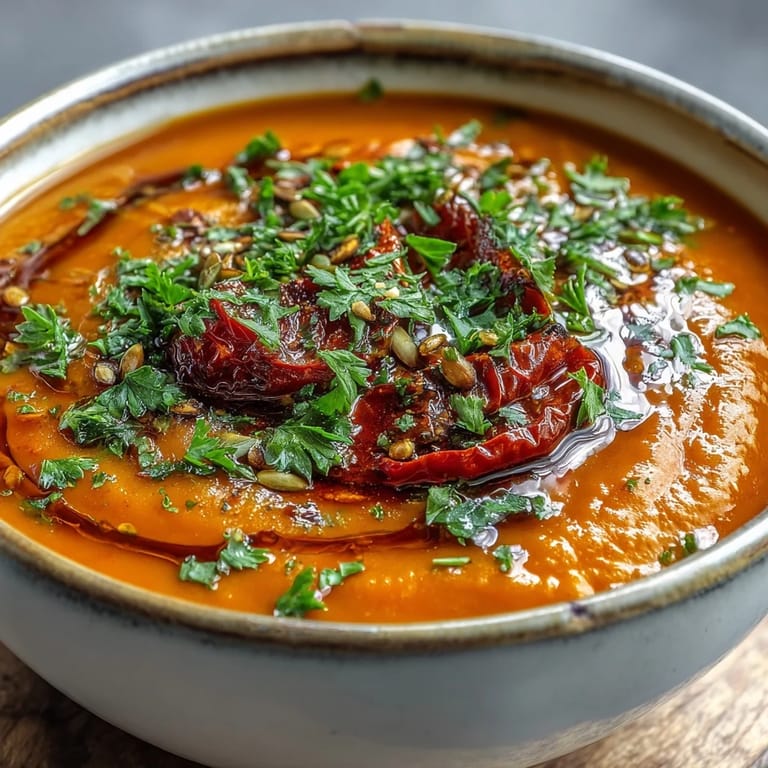
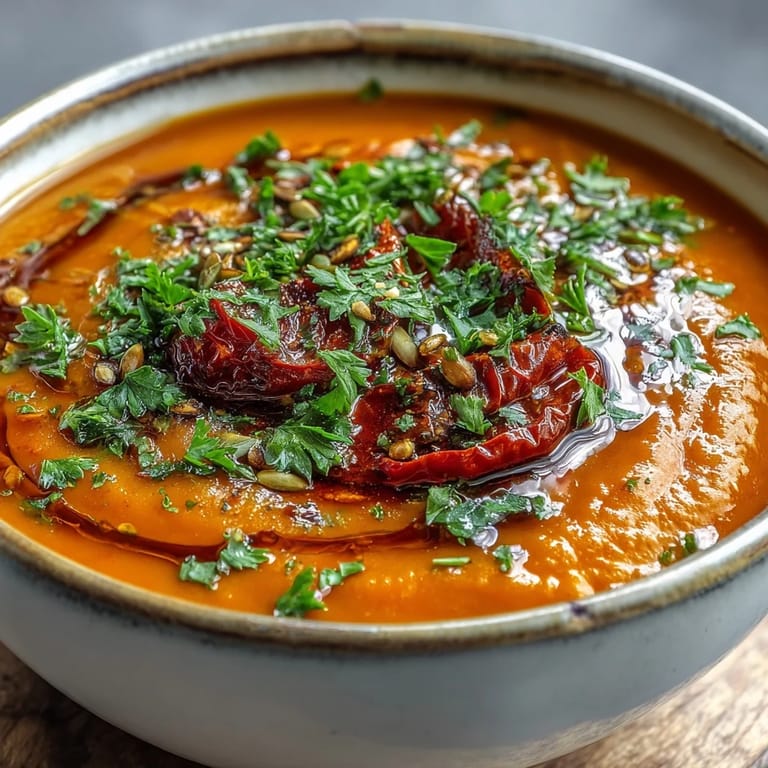
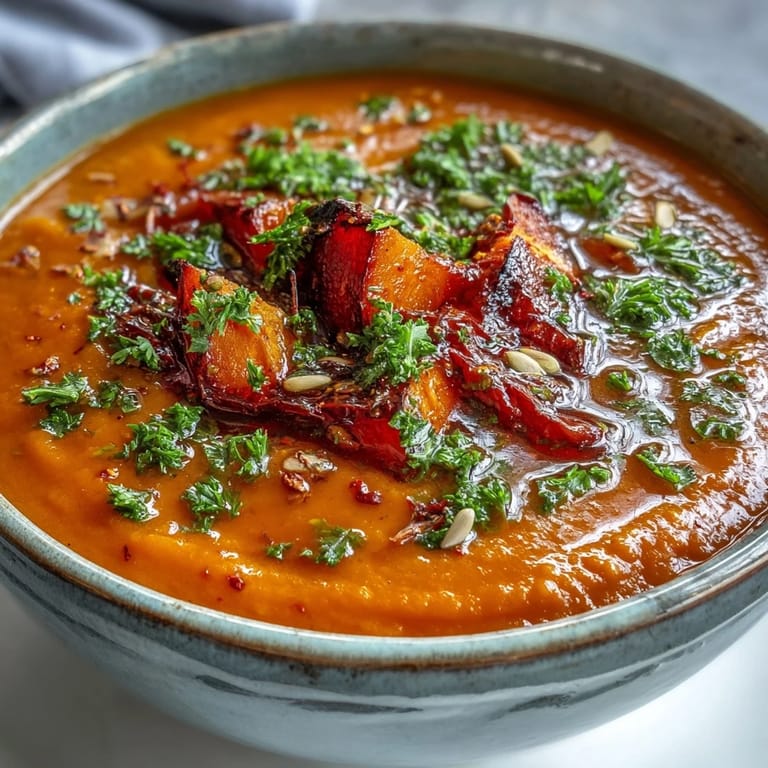
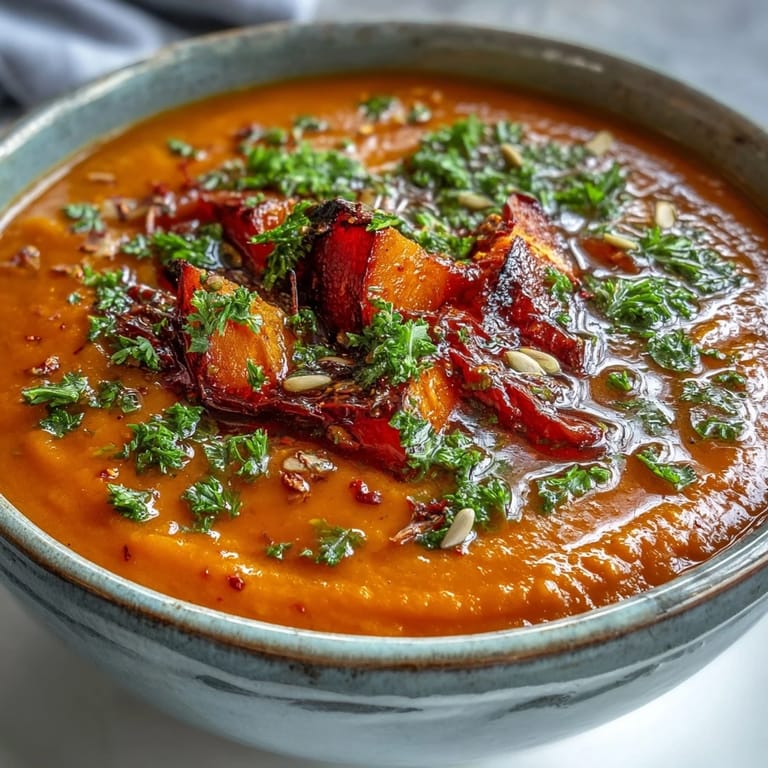
- Ladle into bowls and finish with a scatter of fresh parsley, a drizzle of good olive oil, and optional croutons or toasted seeds. The toppings add texture and make each bowl feel special.
 Pin It
  Pin It
 There's something almost meditative about watching roasted vegetables transform into soup—the way the color deepens and everything becomes this silky unity. It's the kind of dish that tastes like you spent all day cooking, but really you just had the good sense to let the oven do most of the work.
Why Roasting Changes Everything
Roasting vegetables at high heat creates what cooks call the Maillard reaction—basically, the vegetables brown and develop complex flavors they'd never have if you just boiled them. The natural sugars caramelize, the edges crisp up, and the whole thing tastes concentrated and rich. I used to make vegetable soup by simply simmering raw vegetables in broth, and it was fine, but forgettable. The moment I started roasting first, people actually asked for the recipe.
Making It Your Own
This soup thrives on flexibility because roasted vegetables are fundamentally forgiving. Parsnips, butternut squash, celery, leeks, and mushrooms all work beautifully here—use what your market has or what's been sitting in your crisper drawer. The formula stays the same: roast vegetables until golden, simmer in broth, and blend until smooth. I've made it a dozen different ways, and every version has been good.
Texture and Creaminess Without Cream
The sweet potato is doing the heavy lifting here, naturally thickening and enriching the soup without any dairy. That's partly why it tastes so satisfying despite being light and vegetarian. If you ever want to push the creaminess further, a splash of coconut milk stirred in just before serving adds richness without changing the fundamental character of the dish. But honestly, I rarely bother—the roasted vegetables already deliver what most people are craving.
- Make it ahead and refrigerate for up to three days, or freeze individual portions for quick weeknight dinners.
- Reheat gently over medium heat so the flavors don't get harsh or the texture doesn't break down.
- If it thickens too much when cold, just thin it with a bit more broth or water when reheating.
 Pin It
  Pin It
 This soup has become my quiet answer to so many moments—a chilly evening, a friend who needs nourishment, a day when I want something that feels both simple and a little bit special. There's real comfort in a bowl that tastes like it took effort but didn't.
Recipe FAQs
- → Can I use different vegetables in this soup?
Absolutely! This soup is very versatile. Try parsnips, butternut squash, cauliflower, leeks, or any seasonal vegetables you have on hand. Root vegetables and winter squash work particularly well.
- → How can I make this soup creamier?
For added creaminess, stir in a splash of coconut milk, heavy cream, or cashew cream before blending. You can also add a peeled potato during roasting for natural creaminess.
- → Can I make this soup ahead of time?
Yes, this soup stores beautifully. Refrigerate in an airtight container for up to 3 days, or freeze for up to 3 months. Reheat gently on the stovetop, adding a splash of broth if needed.
- → Why do I need to roast the vegetables first?
Roasting caramelizes the natural sugars in the vegetables, creating deeper, more complex flavors and a subtle sweetness that you won't achieve by simply simmering them in broth.
- → What can I serve with this soup?
This soup pairs wonderfully with crusty bread, a fresh green salad, grilled cheese sandwiches, or topped with croutons, toasted seeds, or a dollop of sour cream or yogurt.
- → Can I skip the blending step?
While blending creates the signature velvety texture, you can leave it chunky for a rustic vegetable soup. Simply mash some vegetables with a fork to thicken while keeping texture.